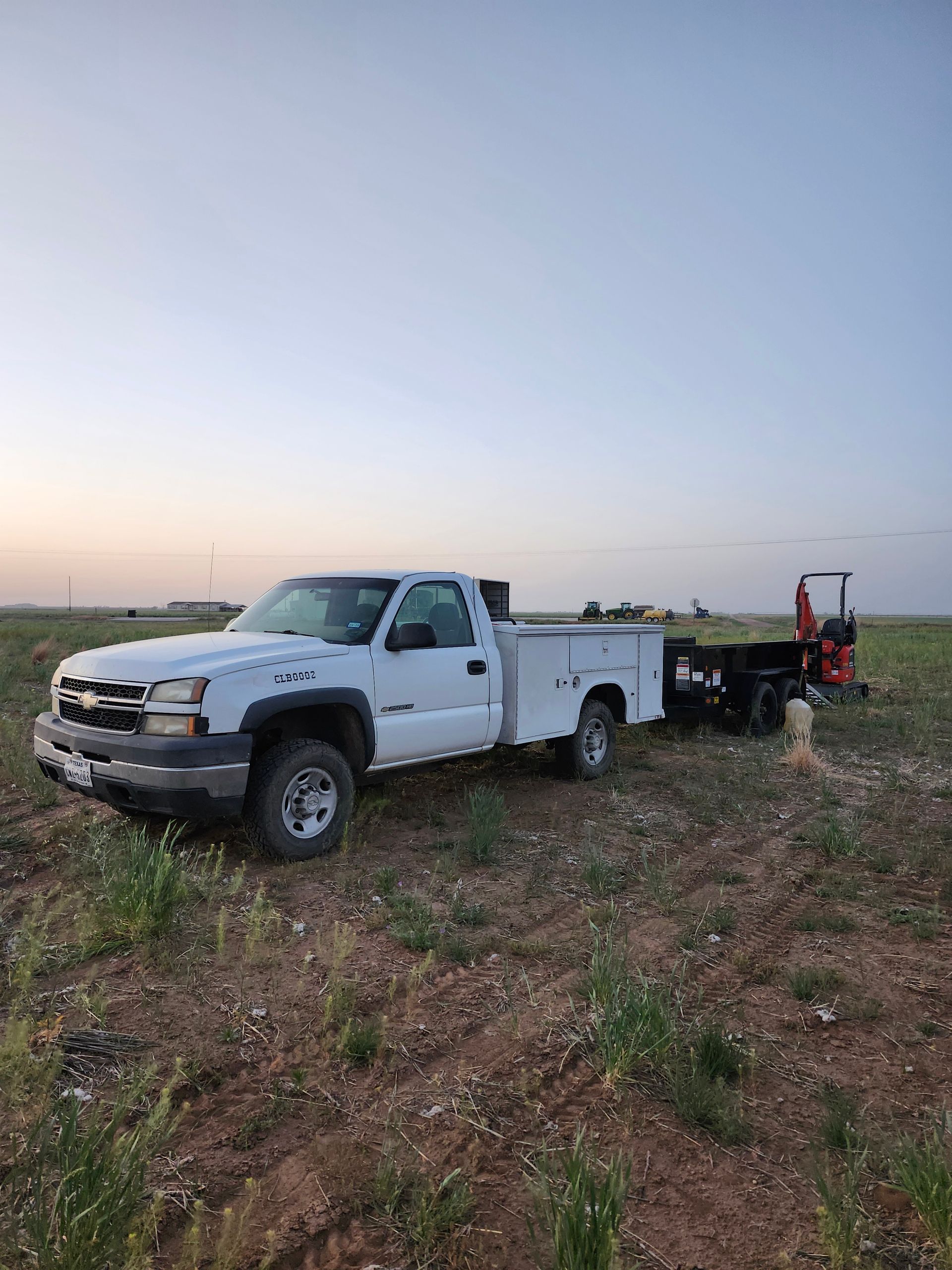
Grading Services in Lubbock, TX: Achieving Proper Drainage and Stability
Grading services in Lubbock, TX address drainage challenges by reshaping slopes and compacting surfaces to prevent water pooling and foundation stress in West Texas clay soil conditions.
How Does Professional Grading Prevent Water Damage?
Proper grading redirects runoff away from structures by creating controlled slopes that channel water toward drainage systems or natural outlets.
West Texas clay expands when saturated and contracts during dry periods, causing uneven settling if water collects near foundations. Professional grading establishes a minimum two-percent slope within ten feet of buildings to move water efficiently.
Compaction during the grading process stabilizes the soil base and reduces future shifting. Equipment operators adjust blade angles and passes to match soil density requirements for residential pads, driveways, and shop foundations.
Which Grading Techniques Work Best in Clay Soil?
Clay soil in Lubbock requires multi-pass compaction and moisture control to achieve stable grades that resist erosion and settling over time.
Operators begin with rough cuts to establish major contours, then follow with finish grading using laser-guided equipment for precise elevation control. Moisture content is monitored throughout the process because clay compacts best at specific hydration levels.
Homeowners looking to find grading help in Lubbock often start by assessing existing drainage patterns during heavy rain events. Adding drainage swales or French drains during grading work extends the effectiveness of slope corrections in areas with persistent water flow.
Can Grading Improve Existing Property Layouts?
Regrading corrects drainage problems on established properties by adjusting slopes around buildings, driveways, and landscaping without major reconstruction.
Many older Lubbock properties were graded before modern drainage standards became common, leading to pooling near foundations or eroded pathways. Selective regrading targets problem zones while preserving mature landscaping and hardscaping elements.
The process typically involves removing a thin layer of topsoil, reshaping the subgrade, and replacing or adding soil to achieve the desired slope. Compaction equipment ensures the new grade remains stable through seasonal moisture cycles.
What Role Does Compaction Play in Long-Term Stability?
Compaction eliminates air pockets and binds soil particles together, creating a dense base that resists settling and supports structures or paving materials effectively.
Uncompacted fill soil settles unevenly over months or years, causing cracks in concrete slabs and misalignment in fence posts or retaining walls. Professional grading includes compaction testing to verify density meets engineering specifications for the intended use.
Vibratory rollers and plate compactors apply controlled pressure in layers, with each lift compacted before the next is added. This layered approach prevents voids that could collapse under load or during heavy rain.
How Do Lubbock Wind Patterns Affect Grading Plans?
Persistent southwest winds in Lubbock accelerate soil erosion on exposed slopes, requiring grading designs that incorporate windbreaks or vegetation buffers to protect finished surfaces.
Grading plans for rural properties often include berms or contoured edges that deflect wind and reduce dust migration. These features also help retain moisture in planted areas by creating sheltered microclimates.
Operators position final grades to minimize wind exposure on critical surfaces like driveways and building pads. Discover the right site preparation team in Lubbock by reviewing their approach to erosion control and long-term surface protection strategies.
Professional grading services deliver stable, well-drained surfaces that protect your investment and simplify future construction or landscaping projects. CactusThorn Earthworks LLC provides grading solutions tailored to Lubbock soil conditions and drainage requirements.
Schedule a site evaluation to discuss slope correction, compaction standards, and drainage improvements for your property.